Email Us

How to Clean a Tarmac Driveway: Easy & Effective Methods
A tarmac driveway is one of the most popular surfacing choices for UK homes, valued for being tough, affordable, and quick to install. But like any outdoor surface, tarmac is exposed to rain, mud, moss, oil drips, and everyday grime, and over time this can leave it looking dull, patchy, or slippery underfoot.
The good news is that cleaning a tarmac driveway doesn’t need to be complicated or expensive. In this guide, you’ll learn why regular cleaning matters, the driveway cleaning tools you need, the best way to clean a tarmac driveway step by step, how long the job typically takes, how to deal with stubborn stains, seasonal tips for UK weather, mistakes to avoid, and how to keep your tarmac driveway looking sharp for years. And if you’d rather leave it to the professionals, our team as a trusted paving company Bath homeowners rely on is always ready to help. Whether you’re dealing with a tarmac drive that hasn’t been touched in years or simply want to keep a newer surface in top condition, this article covers everything you need to know about how to clean a tarmac driveway properly.
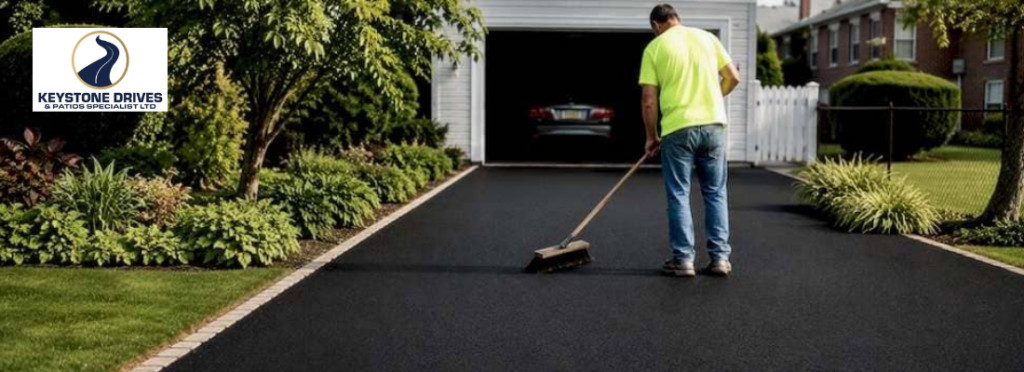
Tools You'll Need to Cleaning Tarmac Driveway
Before you start, gather the right driveway cleaning tools. Most of these are things you’ll already have at home or can hire cheaply for the day.
- Stiff outdoor brush or broom
- Garden hose or pressure washer
- Mild tarmac driveway cleaner or washing-up liquid
- Weed killer or weed removal tool
- Bucket
- Protective gloves
How to Clean a Tarmac Driveway
Cleaning a tarmac driveway is a straightforward job when you use the right method and avoid harsh cleaning techniques that could damage the surface. The key is to remove loose debris first, apply a tarmac-safe cleaning solution, and rinse thoroughly without using excessive pressure. Whether you’re tackling everyday dirt, moss, algae, or light stains, following a step-by-step process will help restore your driveway’s appearance while protecting the bitumen and extending its lifespan. Here’s the best way to clean a tarmac driveway, in six simple steps.
Step 1: Clear the Surface
Start by removing leaves, gravel, toys, plant pots, or any loose debris sitting on the driveway. This stops dirt and grit getting pushed into cracks and joints during washing, and it also gives you a clear view of the surface so you can spot stains, moss patches, or early damage before you begin. If you have bins or a car parked on the drive, moving them out of the way first makes the whole job quicker.
Step 2: Sweep Away Loose Dirt and Moss
Use your stiff outdoor brush to sweep the entire surface, working in one direction so you’re not just moving dirt from one spot to another. Pay extra attention to edges, corners, and any shaded areas, as these tend to collect more moss and damp debris. Getting rid of loose material at this stage means your cleaning solution can work directly on the surface later, rather than being wasted on surface dirt.
Step 3: Pre-Wet the Driveway
Give the whole area a light, even rinse with a hose, working from the highest point of the driveway down towards the drainage point if there is one. This softens ground-in dirt and algae that’s stuck to the surface, making it much easier to lift in the next step. It also stops your cleaning solution drying out too fast in warm weather, which can leave streaky patches behind.
Step 4: Apply a Tarmac-Safe Cleaning Solution
Mix a mild detergent or driveway cleaner with water according to the product instructions, and apply it evenly across the surface using a watering can, garden sprayer, or a soft brush. Leave it to sit for around 10 to 15 minutes so it has time to break down dirt, algae, and light staining, but don’t let it dry out completely on the surface, as this can leave marks. On very dirty or long-neglected driveways, you may need to apply the solution in smaller sections rather than all at once.
Step 5: Scrub and Pressure Wash
Go back over any stubborn patches with your stiff brush, using a bit more pressure on ingrained dirt or algae. Then rinse the whole area thoroughly with a hose or pressure washer, working section by section so you don’t miss any patches of cleaning solution. If you’re using a pressure washer, keep the nozzle moving at all times, hold it roughly 20 to 30cm from the surface, and use a wide fan spray rather than a narrow jet, as holding it too close or too still can strip the top layer of bitumen and loosen the aggregate underneath.
Step 6: Rinse and Let It Dry
Finish with a final, thorough rinse to make sure no cleaning solution, dirt, or moss residue is left behind, as anything left on the surface can attract new dirt more quickly. Allow the driveway to air dry fully, ideally on a dry, mild day, before parking a vehicle back on it or letting children play on the surface. If you’ve treated any oil stains or moss patches separately, check these areas once dry to see if a second treatment is needed.
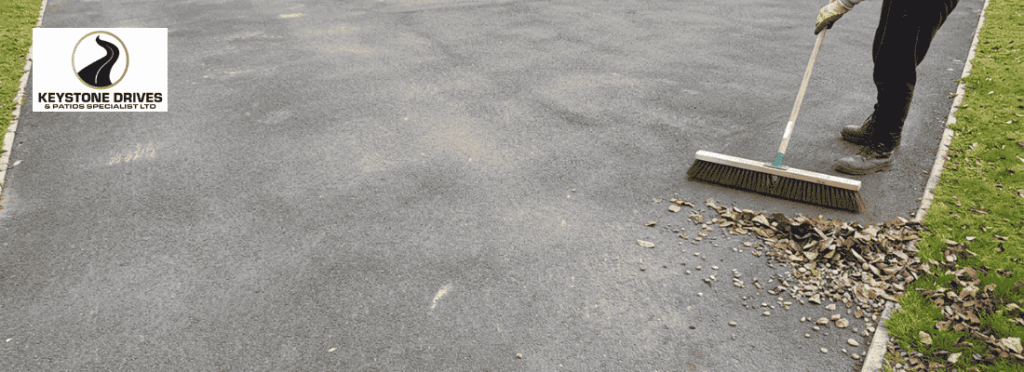
Remember to factor in drying time too, as tarmac usually needs a few hours in mild weather before it’s safe to park or walk on again.
4 Effective Methods for Removing Stubborn Stains from Tarmac Driveways
Some stains won’t come off with a standard wash and need a more targeted cleaning approach. Whether you’re dealing with oil spills, moss, rust, or paint, using the right method helps remove the stain effectively without damaging the tarmac. The solutions below are safe for most tarmac driveways and work best when stains are treated as soon as possible.
| Stain Type | Best Method | Tools Needed |
|---|---|---|
| Oil or fuel | Absorb, then degrease | Cat litter, degreaser, brush |
| Moss or algae | Chemical treatment, then brush | Moss remover, stiff brush |
| Rust or tyre marks | Gentle scrub with paste | Bicarbonate of soda, brush |
| Paint or chemical spills | Blot, then mild solvent | Cloth, mild solvent, water |
Benefits of Regularly Cleaning Your Tarmac Driveway
Keeping your tarmac driveway clean does more than improve kerb appeal. Here are six real benefits homeowners notice once cleaning becomes part of their routine.
- Improves kerb appeal: A clean, dark tarmac surface instantly makes the front of your property look better maintained.
- Prevents moss and algae build-up: Removing organic growth early stops it spreading and staining the surface.
- Reduces slip hazards: Moss and algae make tarmac slippery, especially in wet or icy weather.
- Extends the driveway’s lifespan: Trapped dirt and moisture can work into small cracks and speed up surface wear.
- Makes small problems easier to spot: A clean surface makes it easier to notice early cracking or fading before it becomes a bigger repair job.
- Protects against oil and fuel damage: Prompt cleaning stops oil stains soaking deeper into the tarmac and softening the bitumen.
7 Common Mistakes to Avoid When Cleaning a Tarmac Driveway
- Cleaning tarmac the wrong way can cause more harm than good.
- Using a pressure washer on too high a setting, which can strip the surface and loosen aggregate.
- Using bleach or harsh chemicals, which can discolour and weaken the bitumen binder.
- Holding the pressure washer nozzle too close to the surface, causing uneven wear or gouging.
- Ignoring oil stains, allowing them to soak deeper and soften the tarmac underneath.
- Cleaning a brand-new driveway too soon, before it has fully cured and hardened.
- Letting dirty wash water run straight into a road drain, which isn’t permitted under UK water regulations.
- Skipping regular sweeping, which lets moss and organic matter build up between deep cleans.
Maintenance Tips to Keep Your Tarmac Driveway Looking New for Longer
Beyond the basics, a few everyday habits help keep results lasting longer. Try to give the driveway a quick once-over whenever you’re already outside, rather than waiting for it to look obviously dirty, and keep an eye out for any new cracks, soft spots, or drainage issues while you’re at it. It also helps to vary where you park heavy vehicles so the same patch isn’t under constant pressure, and to top up the sealant every few years to keep the surface protected and looking its best.
Keeping your tarmac driveway clean helps maintain its appearance, but some surfaces eventually need more than routine maintenance. Whether your driveway has developed cracks, fading, drainage issues, or general wear and tear, Keystone Drives & Patios Specialist Ltd provides expert tarmac driveway installation, repairs, resurfacing, and replacement across Bath and the surrounding areas.
Conclusion
Keeping a tarmac driveway clean is all about regular sweeping, using the right cleaning products, treating stains quickly, and carrying out simple maintenance like clearing drains and resealing every few years. It helps protect the surface, improve safety, and keep your driveway looking its best for longer.
If your driveway needs more than a clean, whether that’s repairs, resurfacing, or a full replacement, Keystone Drives & Patios Specialist Ltd is here to help homeowners across Bath, Keynsham, Saltford, and the wider Somerset area. Contact us today for honest advice and a free, no-obligation quote to restore or transform your driveway.
FAQ'S
Yes, a pressure washer is safe to use on tarmac as long as it’s set to a low or medium pressure and kept moving across the surface rather than held in one spot.
No, it’s best to wait several weeks after installation to allow the surface to fully cure before pressure washing or scrubbing it.
Yes, bleach and other harsh chemicals can break down the bitumen binder over time and cause discolouration, so it’s best to stick to mild, tarmac-safe cleaners.
Most driveways benefit from a professional deep clean roughly once a year, alongside lighter sweeping and washing done by hand throughout the year.
No, resealing isn’t required every time you clean, but doing it every few years helps protect the surface and keep its colour looking fresh.
No, in the UK it’s your responsibility to make sure dirty or chemical-laden runoff doesn’t enter a surface water drain, so direct wash water onto a lawn or soakaway where possible.